The POS that finally thinks like a front-of-house team
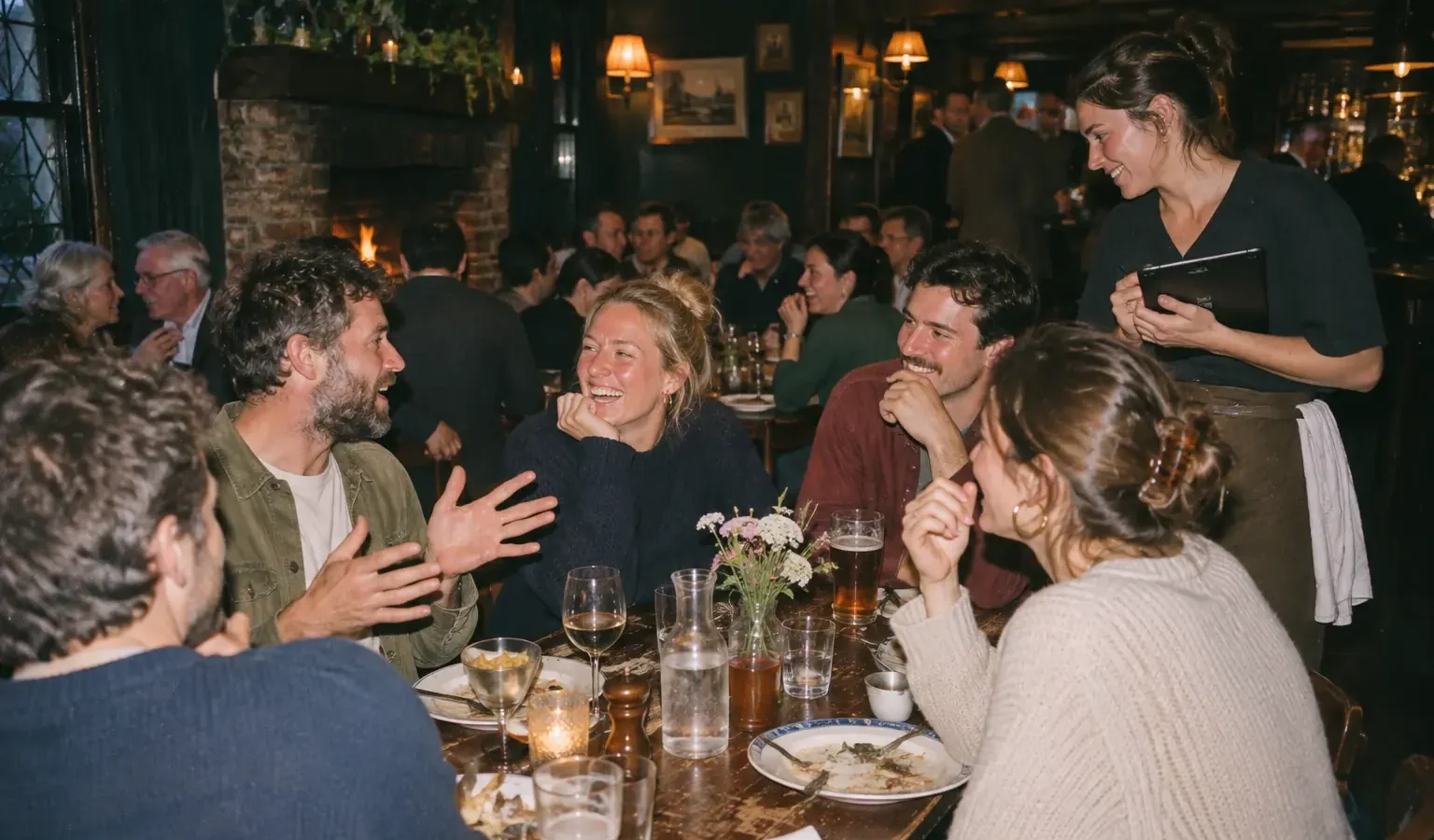
Most point of sale systems are built by people who have never carried four plates through a packed dining room, never had a table of twelve ask to "just split it equally", and never had to ask a guest to repeat their allergy for the third time.
Most point of sale systems are built by people who have never carried four plates through a packed dining room, never had a table of twelve ask to “just split it equally”, and never had to ask a guest to repeat their allergy for the third time.
Taybl Point of Sale is different, because the people behind it have faced these problems. We’ve worked the floor, run the shifts, handled the awkward bill, and watched good service get undone by clumsy tools. So we didn’t set out to build a till with a longer feature list. We set out to fix the specific things that slow down a busy service, frustrate the team, or put a guest at risk.
Taybl Point of Sale is now in beta testing with a small group of venues. Here are five of the problems we built it to solve.

1. Guests split the bill themselves
Everyone has been there. A table of eight asks to split the bill, and your server stands at the end of the table asking each person, one by one, what they had. Someone can’t remember if they had the starter. Someone else wants to pay for a bottle of wine with two others. It takes ten minutes, and it’s ten minutes your server could have spent looking after other tables.
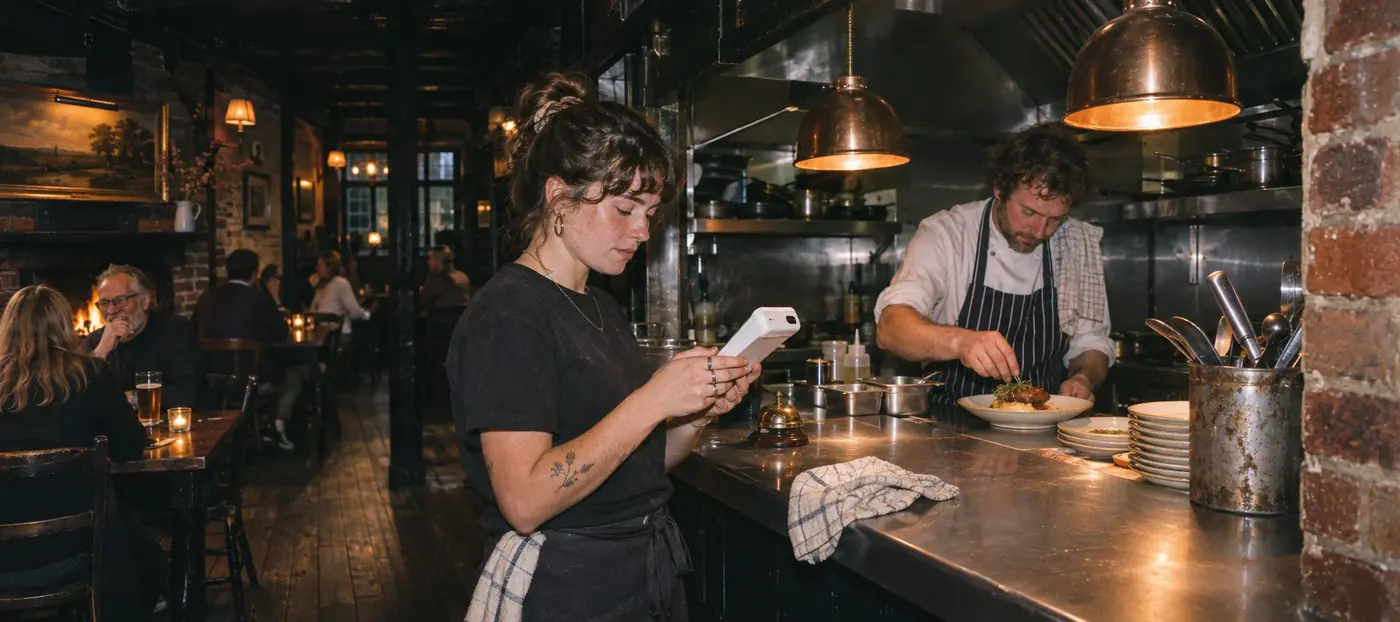
In Taybl, the server hands the device around the table. Each guest taps the items they had, then pays on the same device. When everyone has paid, the bill closes itself.
Guests get a quick, private way to pay for exactly what they had, with no awkward maths and no waiting. Your server gets their time back, and your table turns over sooner.
2. Allergen awareness that shows you who, not just what
For most systems, allergen safety means a note on an order ticket. That helps only if the right person reads the right note at the right moment, and in a busy service that’s a lot to ask.
Taybl labels allergens per seat, and shows them in context. Open the floor plan, pick the table, and you can see at a glance which guests have allergens and what they are. Whoever is taking an order, running food or checking on the table knows exactly where extra care is needed, without hunting through notes.
It’s a small change in how the information is shown, but it changes how confident your team feels. Guests with allergies are asked once, the answer stays with their seat, and it’s visible to everyone who needs to see it.
3. Group pre-orders that arrive ready to serve
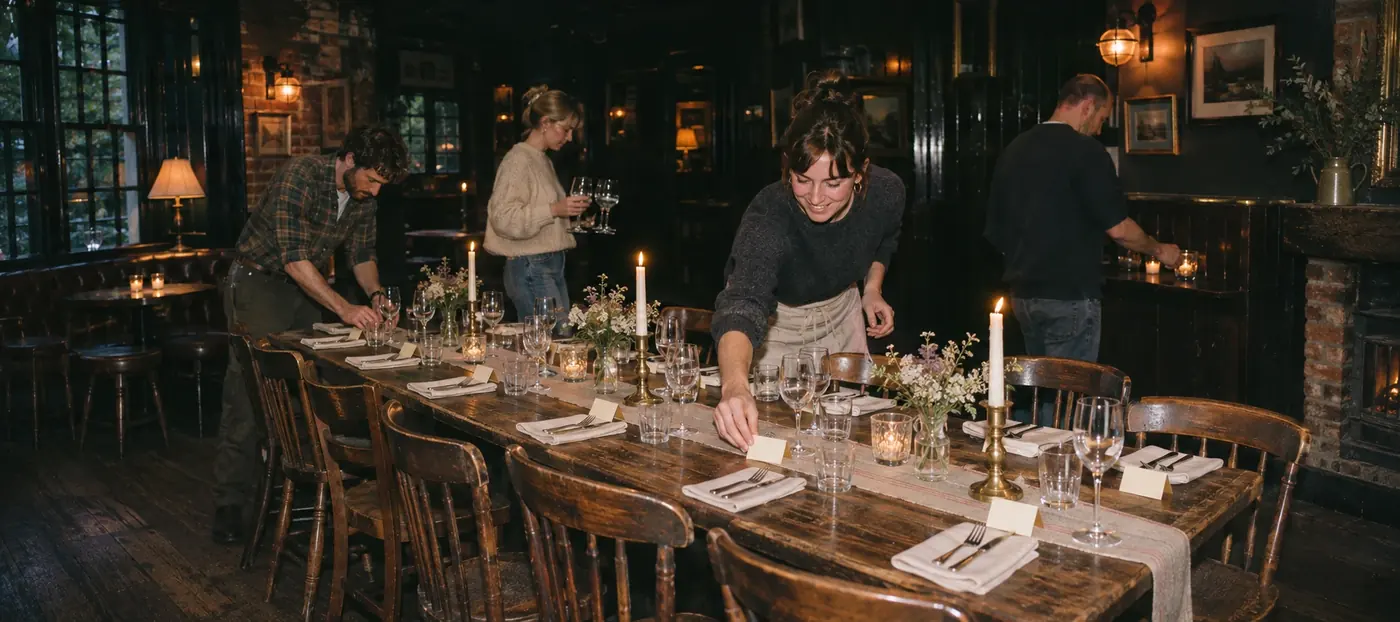
Large groups are great for business and hard to run. Birthdays, wakes, work dinners and christenings often mean pre-orders collected by email, a spreadsheet of names and dishes, and a deposit noted somewhere else. When the group arrives, someone has to match all of it to the people who actually turn up, and it rarely goes smoothly.
With Taybl, guests pre-order online. When the group arrives, you simply assign a name to each seat. Each person’s pre-order, allergens and any deposit already paid are imported straight onto their seat, with no retyping. Drinks are added by seat as the evening goes on.
That means that when it’s time to pay, splitting the bill takes moments, not minutes. Everyone’s food, drinks and deposit are already in the right place, and the host isn’t left chasing money from the group at the end of the night.

4. Tips shared between the people who earned them
Tips are often pooled across a whole day or week, however many people were there. That can mean someone who wasn’t in for a great service shares in the reward, and someone who worked hard for it gets less than they should. Teams notice, and it affects morale.
Taybl shares tips between the staff who were actually on shift when the tip was taken. It’s a fairer way to recognise the people who delivered the service, and it’s far easier to explain to your team than a pot that gets divided by guesswork.
Fair tips matter more than they might seem. They help you keep good people, and they make great service something your team is rewarded for.
5. Guest history, one tap away
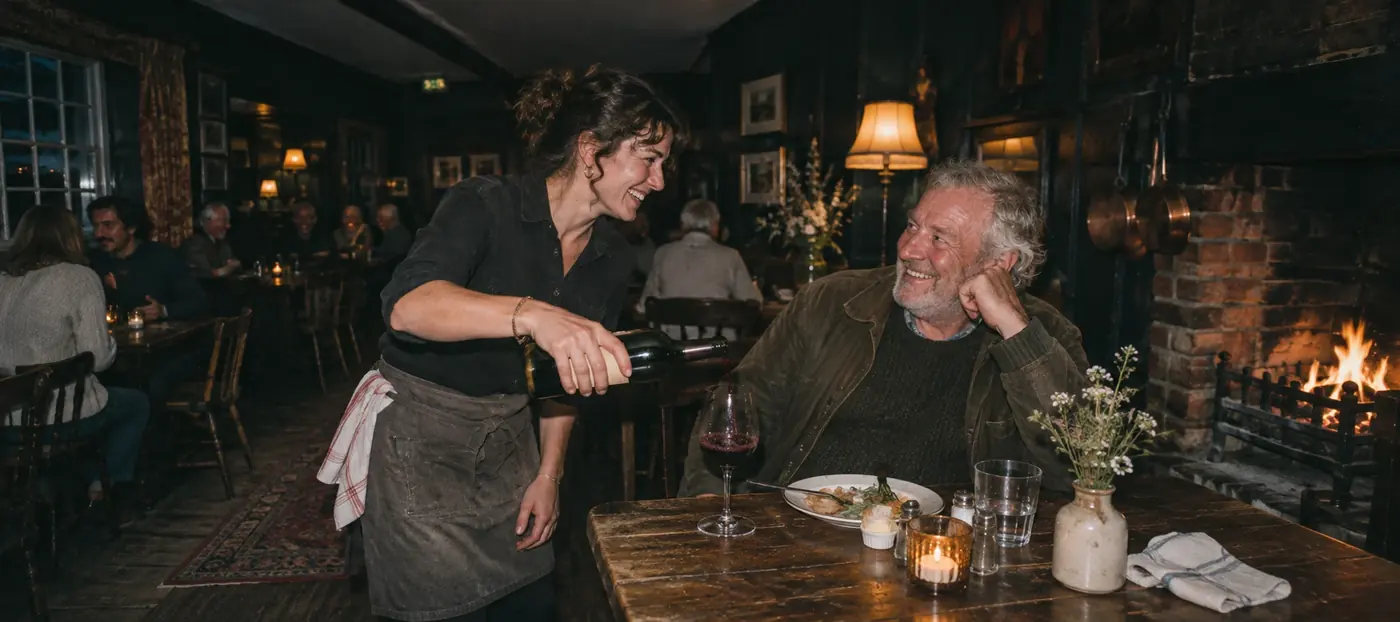
The best hospitality feels personal. A regular’s usual order, the wine a couple loved last time, the dish a guest said they’d be back for. In most venues, that knowledge lives in the head of whoever happens to be working, and walks out of the door when they do.
In Taybl, a guest who has visited before has their previous order history available with a tap. That lets any member of the team, including someone on their first week, offer the kind of welcome you’d usually only get from a long-serving member of staff:
Did you enjoy the Malbec when you last visited? I could start you off with a glass of that.
Because the till is part of the same system as your bookings and guest records, that context is there without extra apps, and without anyone needing to remember it all.
Built by people who’ve felt the pain
None of these ideas came from a brainstorm about what a POS “should” do. Each one came from a moment on a real shift: the long bill split, the allergy that nearly got missed, the group pre-order that fell apart at the table, the tip that didn’t feel fair, the regular nobody recognised.
We built Taybl Point of Sale to fix those moments, so your team can spend less time wrestling with the till and more time looking after guests.
Still in beta, and we’d love your input
Taybl Point of Sale is in beta testing, so we’re working closely with the venues using it and shaping it around what they tell us. If you’d like to see how it could work for your venue, we’d love to show you.